
Explore evidence-based information on incorporating regular physical activity into diabetes management routines through accessible walking practices.
Physical activity is widely recognized as an important component of comprehensive diabetes management strategies. Health organizations globally include regular movement in their wellness recommendations.
Walking represents one of the most accessible forms of exercise, requiring minimal equipment and suitable for various fitness levels. It can be adapted to individual schedules and preferences.
Research suggests that consistent physical activity patterns may support various aspects of metabolic health, though individual responses can vary significantly.
Developing lasting movement habits often involves gradual progression and realistic goal-setting. Many individuals find success by starting with shorter sessions and progressively increasing duration.
Environmental factors, social support, and personal preferences all play roles in maintaining consistent physical activity routines. Finding enjoyable activities increases long-term adherence.
Healthcare professionals can provide personalized guidance based on individual health circumstances, current fitness levels, and specific wellness goals.
Several factors contribute to developing and maintaining effective walking practices for wellness support.
Regular scheduling helps establish walking as a routine activity. Many people find that designating specific times supports habit formation and long-term adherence.
Gradually extending duration and intensity allows the body to adapt. Starting conservatively and building over time is a commonly recommended approach.
Supportive, well-fitting shoes are particularly important for individuals with diabetes. Proper foot care and regular inspection help maintain foot health.
Choosing well-lit, even surfaces reduces injury risk. Indoor options like shopping malls provide climate-controlled alternatives during extreme weather.
Maintaining adequate fluid intake before, during, and after walking supports overall wellness. Carrying water on longer walks is advisable.
Recording walking sessions, whether through apps, journals, or simple logs, can help identify patterns and support motivation over time.
Individuals share their experiences with incorporating walking into daily routines.
Mumbai
"I started with just 10 minutes after dinner. Over several months, I gradually worked up to 30 minutes daily. Having a consistent schedule made it easier to maintain the habit."
Bangalore
"Walking with a friend made the experience more enjoyable. We explore different neighborhoods each week, which keeps things interesting and helps us both stay committed."
Delhi
"I use a nearby shopping mall during hot summer months and monsoon season. The indoor environment allows me to maintain my walking routine year-round regardless of weather."
Chennai
"Tracking my steps helped me understand my activity patterns. I discovered that parking farther away and taking stairs added meaningful movement throughout my day."
Individual experiences vary. These perspectives represent personal observations and should not be interpreted as medical outcomes or guaranteed results.
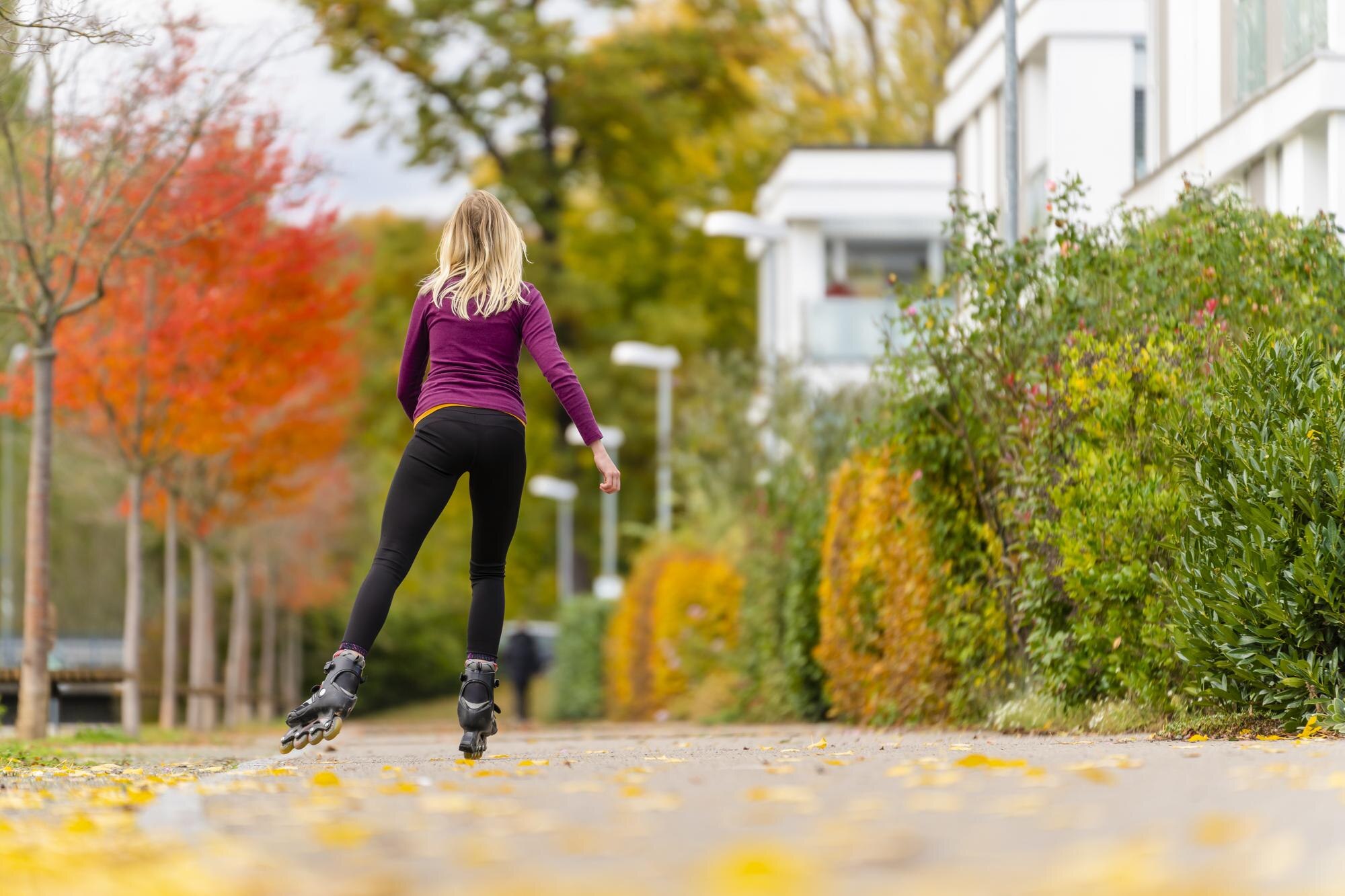
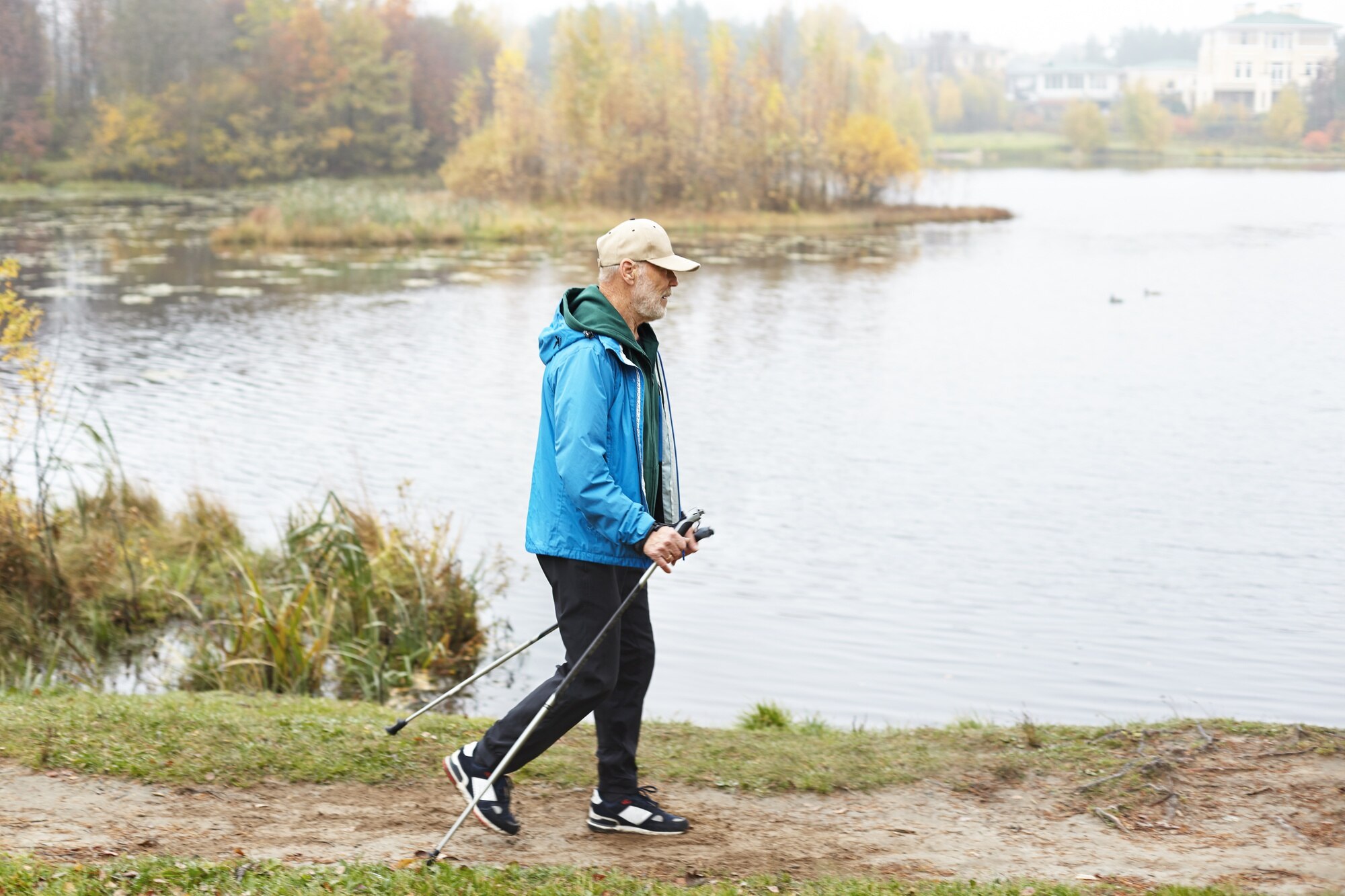
Parks, sidewalks, and nature trails offer varied environments for walking. Early morning or evening hours may provide more comfortable temperatures in warm climates.
Indoor malls, gyms, and community centers provide climate-controlled alternatives. These spaces enable consistent activity regardless of external weather conditions.
Interested in learning more about walking and movement for diabetes wellness? Submit your inquiry below.